LibraryTechnology

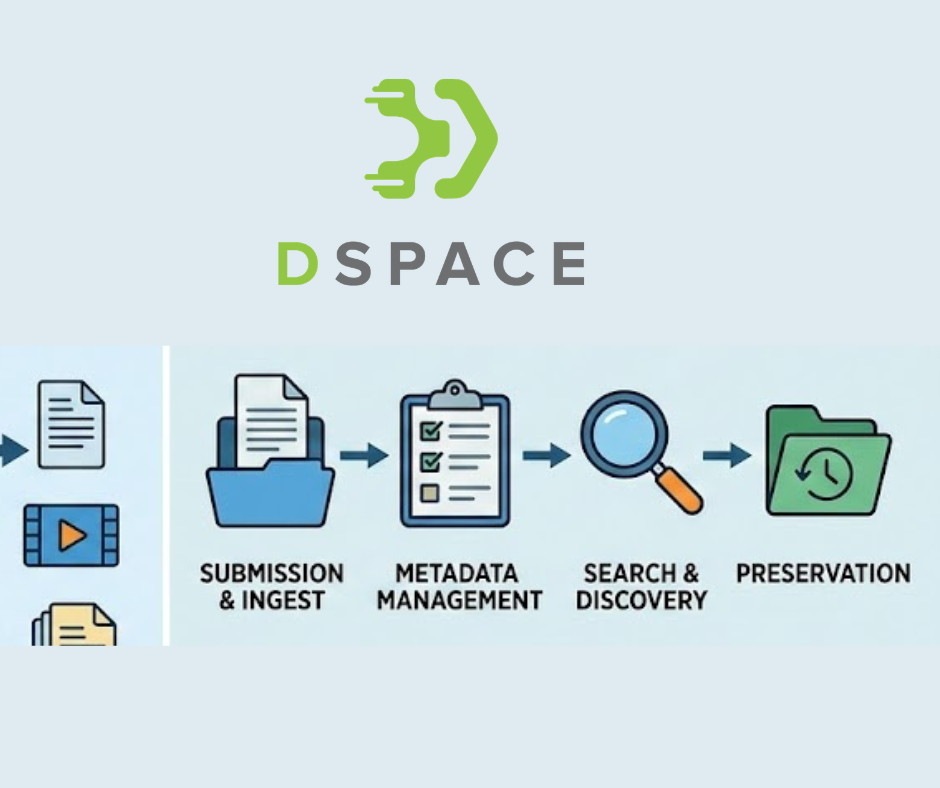
DSpace Repository Software: Structure, Functions, and Advantages for Institutional Digital Archives

DSpace Repository Software: Structure, Functions, and Advantages for Institutional Digital Archives

DSpace is software designed for creating institutional information repositories. It is a popular open-source platform that facilitates the development of repositories for knowledge management. DSpace was developed collaboratively by the renowned technology company HP and the Massachusetts Institute of Technology (MIT). With DSpace, users can store, preserve, index, and distribute a variety of digital content, […]

DSpace Repository Software: Structure, Functions, and Advantages for Institutional Digital Archives Read More »

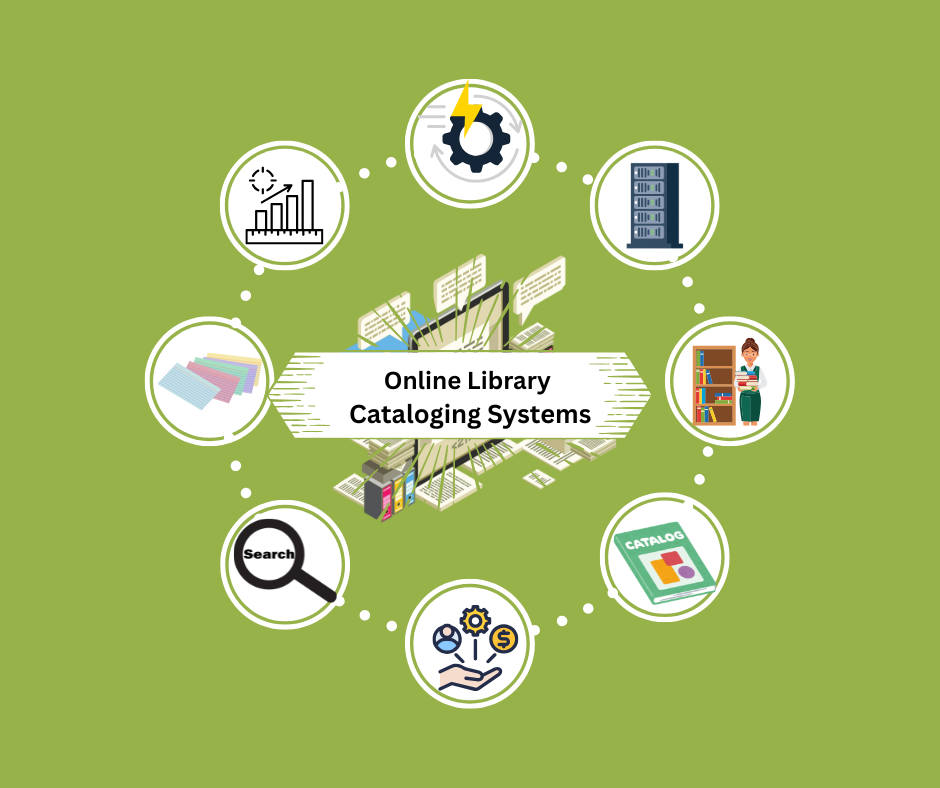
Online Library Cataloging Systems: Technological Characteristics and Operational Impact

Online Library Cataloging Systems: Technological Characteristics and Operational Impact

Online Library Catalogue An automated or online system is one that operates using computers and other information technologies. For example, when a library or information center utilizes computers and technology to organize and index its collection, this process is referred to as an automated catalog.  Technological Characteristics and Operational Impact The transition to a modern

Online Library Cataloging Systems: Technological Characteristics and Operational Impact Read More »

Tools used in library automation reference services

Tools used in library automation reference services

One of the most essential services provided by modern libraries and information institutions is the reference service. This department plays a critical role in addressing the information needs of readers by staying informed about current trends and user inquiries. To do this effectively, reference librarians gather data from a wide range of global information sources,

Tools used in library automation reference services Read More »

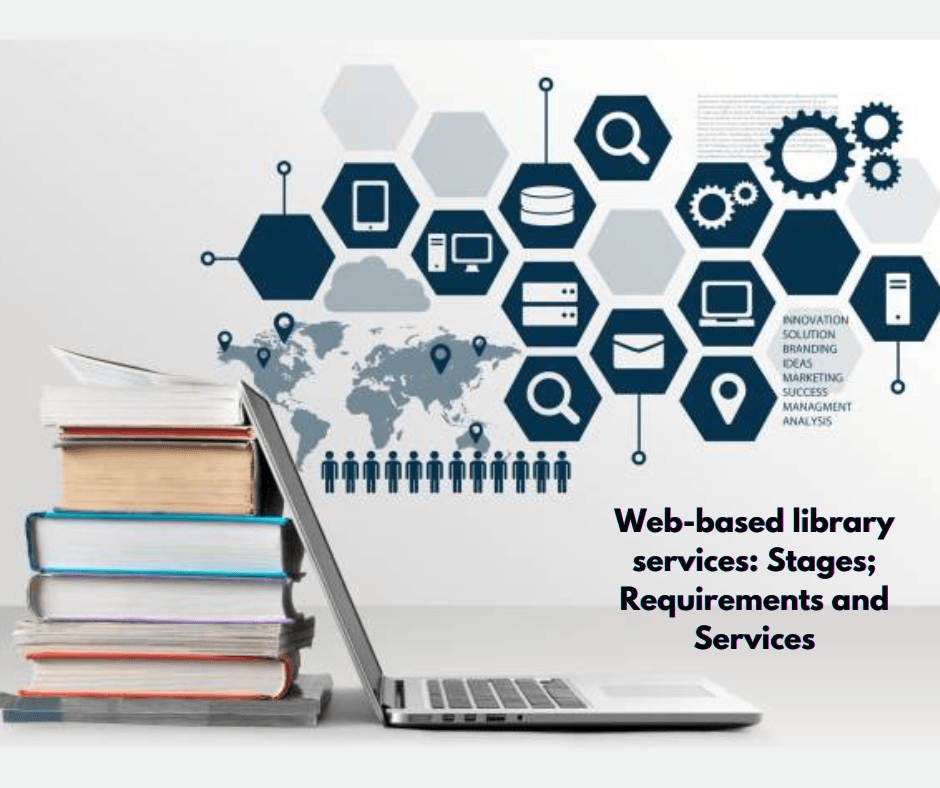
Web-based library services: Stages; Requirements and Services

The development of WWW (World Wide Web) and the Internet as information storage and delivery tools has emerged as a speedy means of exchanging information quickly and inexpensively for future use. The Internet has revolutionized library information storage, information retrieval, and information and communication systems. The more library information services are provided in digital format,

Web-based library services: Stages; Requirements and Services Read More »

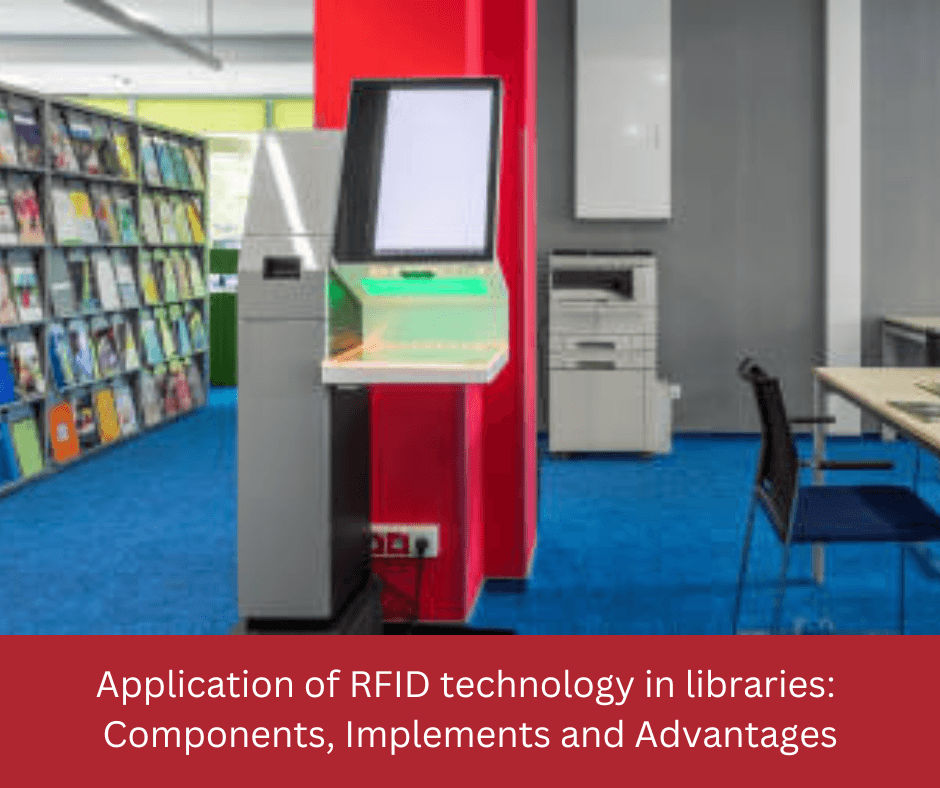
Application of RFID technology in libraries: Components, Implements and Advantages

RFID, or Radio Frequency Identification, is a technology that utilizes radio waves to identify individuals or objects. With this technology, data is exchanged between a device called a’reader’ and an electronic tag. A tag is attached to an object. This technology is commonly used to know the location of people or objects. According to “Harrods’s

Application of RFID technology in libraries: Components, Implements and Advantages Read More »

Scroll to Top