InformationAccess

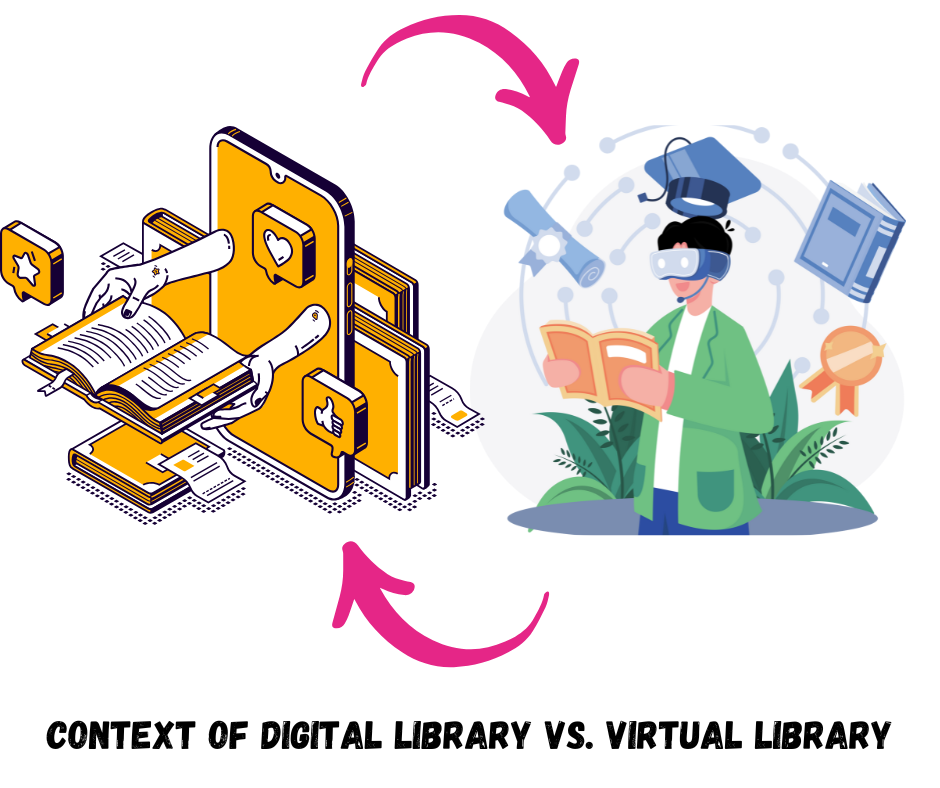
Context of Digital library vs. Virtual library

Context of Digital library vs. Virtual library

The conventional concept of a library is that it is an institution where manuscripts, books, periodicals, various types of non-book, non-printed documents are collected according to the needs and requirements of the readers, the collected documents are stored according to specific rules to be handed over to the customers in the shortest possible time according […]

Context of Digital library vs. Virtual library Read More »

Library Network: Religion; Components; Advantages and Disadvantages

No library in the present age can satisfy its customers by its own collection of resources alone. Libraries and information centers rely on each other’s resources for customer satisfaction and growing demand. The sharing and joint use of everyone’s information resources is now a written rule. Thus the library network system was developed mainly for

Library Network: Religion; Components; Advantages and Disadvantages Read More »

Basic Components of Information Retrieval System in Library Science.

The term information retrieval was coined in 1952 and gained popularity in the research community from 1961 onward. An information retrieval system is designed to retrieve the documents or information required by the user community. It should make the right information available to the right user. Thus, an information retrieval system aims at collecting and

Basic Components of Information Retrieval System in Library Science. Read More »

Indexing: Purpose and Role in Information Services and the Digital Age

The word index is originally derived from the Latin word “Indicare”. It means to point out. Libraries and information scientists adopt all these techniques for organizing and serving modern information, among them is indexing. On the one hand, indexing organizes scattered information and helps in searching for information in the shortest possible time. Necessary information

Indexing: Purpose and Role in Information Services and the Digital Age Read More »

Scroll to Top