Blog

Your blog category

Augmented Reality (AR) and Virtual Reality (VR) Defined | AR vs VR |

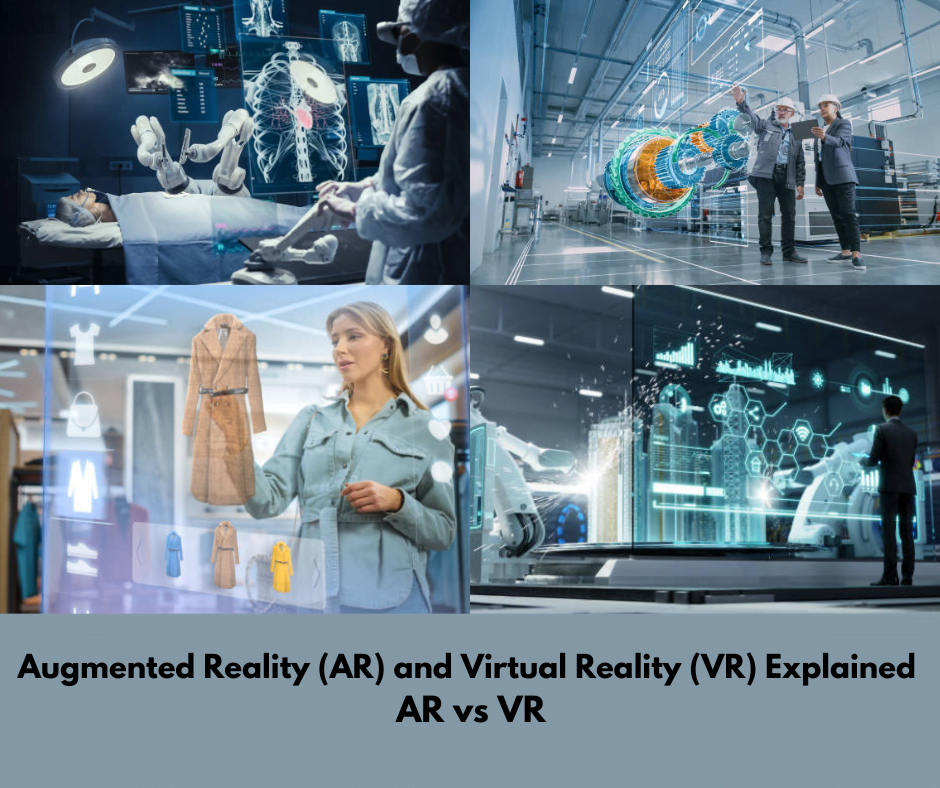
Augmented Reality (AR) and Virtual Reality (VR) play essential roles in enhancing immersive experiences in fields such as education, entertainment, and healthcare. AR overlays digital elements onto the real world, improving interaction with the environment, while VR offers full immersion into a virtual setting for training or simulation. Together, they drive innovation, making tasks more […]

Augmented Reality (AR) and Virtual Reality (VR) Defined | AR vs VR | Read More »

Decision-Making Process in Libraries

The problem of indecision exists everywhere in any type of library, special public or academic. In this modern age of scientific and technological development and excellence, where there is constant uncertainty in almost every institution, decisions cannot be made solely on the basis of personal experience and guesswork. Decisiveness can be characterized as decision-making power,

Decision-Making Process in Libraries Read More »

Librarianship: Types; Duty and Responsibility

Librarianship is an emerging profession, with librarians working in various types of libraries. This profession involves acquiring and organizing collections of books and related materials, as well as providing services to readers and others with the resources. Librarians are primarily responsible for managing and organizing library information and resources, including acquiring, cataloging, and maintaining collections

Librarianship: Types; Duty and Responsibility Read More »

Library Network: Religion; Components; Advantages and Disadvantages

No library in the present age can satisfy its customers by its own collection of resources alone. Libraries and information centers rely on each other’s resources for customer satisfaction and growing demand. The sharing and joint use of everyone’s information resources is now a written rule. Thus the library network system was developed mainly for

Library Network: Religion; Components; Advantages and Disadvantages Read More »

Plagiarism: Types; Rules and Methods to Overcome

Plagiarism is when someone uses another person’s work, ideas, or expressions without giving them credit. This includes copying text, ideas, or data from sources like books, articles, and websites. Plagiarism can happen on purpose (intentional copying) or by accident (not citing sources properly). Either way, it is considered unethical and can lead to serious consequences

Plagiarism: Types; Rules and Methods to Overcome Read More »

Scroll to Top