In today’s world, the significance of information in shaping social and economic dynamics is clear. The advancement of society increasingly depends on acquiring new knowledge, a process that information scientists support through the use of innovative information technologies. The discipline of information science emerged around 1950, marking the beginning of what is now recognized as an information-driven society. Presently, every field—whether it be knowledge, science, or technology—relies heavily on information. The interconnected processes facilitated by these information systems are commonly referred to as the “globalization of information,” which encompasses a similar range of activities that may be labeled in various ways.
What does “international information system” mean?
We will refer to the “International Information System” as just “IIS” for ease of writing and discussion; however, prior to discussing IIS, it is important to have a basic understanding of IS, or information systems.
What is meant by an information system? Just as there are specific methods or procedures for achieving success in any task, the same principles apply to information. An information system refers to the process of collecting, compiling, processing, and delivering various pieces of information to the user as a service.
In simpler terms, an information system encompasses the methods, rules, regulations, and tools that allow us to transform raw information into a usable format and provide services as needed. Essentially, it is the process of exchanging or sharing information.
Types of Information Systems:
1. National Information System: This type of system involves the collection, compilation, and processing of information at the national level within a single country. It is designed to gather and manage data pertinent to the country’s governance, economy, and social needs.
2. Regional Information System: When information activities are carried out on a regional scale, encompassing multiple countries, it is referred to as a Regional Information System. This system facilitates collaboration among neighboring nations to share and analyze data that impacts the region as a whole.
3. International Information System: An International Information System occurs when several nations collaborate under specific guidelines to collect, compile, and process information that crosses international borders. This system aims to address global issues and disseminate information according to the needs of each participating country, promoting cooperation and informed decision-making across nations.
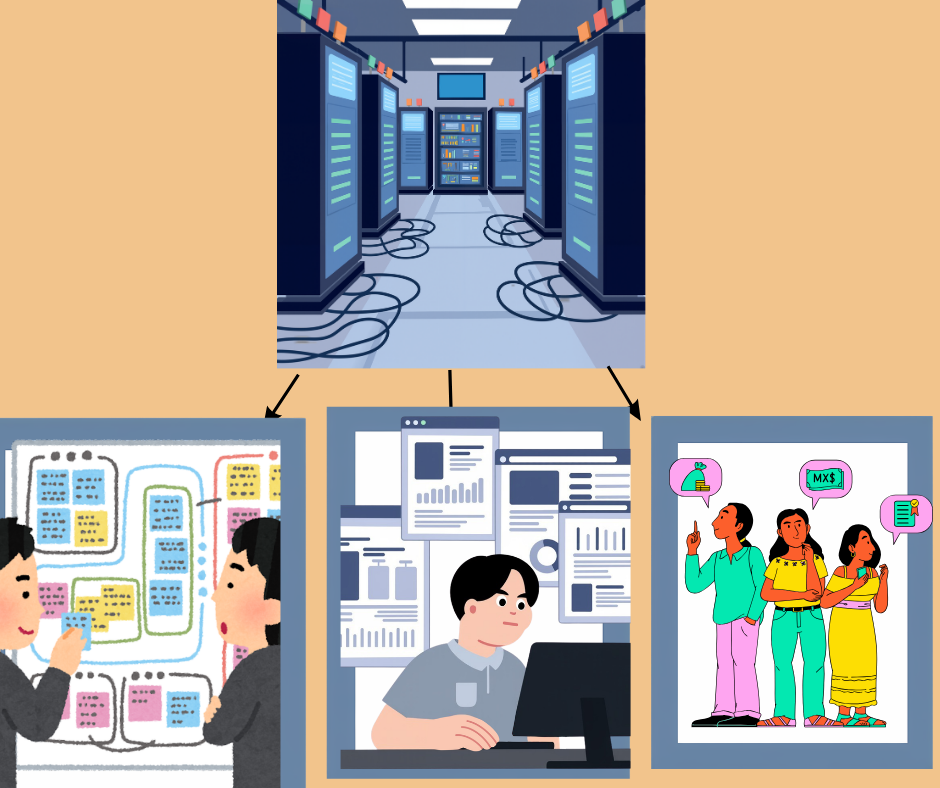
Activities of modern information technology
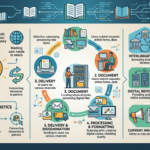
Activities of International Information Systems (IIS) encompass a wide range of tasks that information scientists and system specialists typically classify into three distinct levels for better understanding and management.
A. Acquisition Methods: This level focuses on the diverse processes employed to gather information, whether it is published literature, unpublished materials, or various other data types, intended for integration into the IIS framework. The acquisition methods can be categorized as follows:
1. Exchange: This method involves the reciprocal sharing of information between organizations, institutions, or individuals. It is often formalized through agreements where each party provides access to their resources, fostering collaboration and enhancing the overall information pool.
2. Gift: In this context, information or resources are donated voluntarily. Organizations or individuals might contribute materials such as books, research papers, databases, or datasets without expecting anything in return, which can significantly enrich the information system’s offerings.
3. Request: This acquisition method entails soliciting information from external sources. It can involve reaching out to experts, other organizations, or members of the community to gather specific data or insights that are crucial for the information system’s development or enhancement.
4. Others: This category encompasses various alternative approaches that do not fall neatly into the previous methods. It may include purchasing information from publishers, subscribing to databases, utilizing automated data scraping tools, or leveraging open data sources available online.
Overall, these acquisition methods play a critical role in ensuring that an International Information System remains current, comprehensive, and capable of meeting the needs of its users.
B. Processing:
After collecting your materials, the next critical step is to determine the most effective way to present and process this information. This decision will influence the accessibility and usability of the content for your intended audience. Various processing methods can be employed, each serving a distinct purpose:
1. Descriptive Methods: These involve providing detailed descriptions of the materials collected. This can include summarizing key points, noting the significance of the content, and outlining the main themes or arguments present in the materials. Descriptive methods help provide context and enhance understanding.
2. Indexing: This method involves creating a systematic arrangement of topics or keywords found within the collected materials. An index allows for easy navigation and retrieval of specific information, thereby facilitating efficient access to critical data points.
3. Bibliography: Compiling a bibliography entails listing all references used in the research or collection process, formatted correctly according to designated citation styles. This is essential not only for crediting original sources but also for guiding others who may seek to explore the materials further.
4. Concordance/Index: This involves creating an alphabetized list or concordance of words or phrases found in the documents, along with their locations. This specialized form of indexing is particularly useful for detailed textual analysis, allowing users to locate specific terms and their occurrences throughout the material.
5. Abstracting: Abstracting requires summarizing the core ideas and essential points of the collected works into concise statements. These abstracts provide a quick overview of the content, enabling readers to grasp the gist of the material without needing to read everything in detail.
6. Other Methods: Depending on the nature of the materials and the goals of the project, other creative processing techniques may be employed. This could include visual representation methods such as charts or graphs, thematic analysis, or even qualitative coding for deep analysis of qualitative data.
C. Information Dissemination:
The final stage of the information management process focuses on the effective delivery of information to the intended audience. This delivery can be accomplished through a variety of methods, each tailored to meet the needs of users. Some of these methods include:
1. Periodicals: Regularly published magazines and journals that provide updates and insights into specific fields or topics.
2. New Editions: Updated versions of books or reports that include the latest research, findings, or developments.
3. Exhibitions: Organized displays or presentations that showcase information or materials to engage and inform the public or targeted groups.
4. Accession Lists: Comprehensive lists detailing new additions to a library or collection, allowing users to track the latest acquisitions.
5. Current Awareness Services (CAS), Selective Dissemination of Information (SDI), and Current Awareness Bulletin (CAB) services: Tailored services that provide users with the latest relevant information based on their interests and needs.
6. Telephone Services: Direct communication methods where users can inquire and receive information via phone calls, ensuring immediate assistance.
7. Bibliographic Services: Tools and resources that help users locate and cite works, facilitating access to scholarly materials.
8. Other Methods: Various alternative approaches to sharing information, which may include digital platforms, social media, workshops, and more.
Each of these methods plays a crucial role in ensuring that information reaches the right people in the most effective way possible.