Online Library Catalogue
An automated or online system is one that operates using computers and other information technologies. For example, when a library or information center utilizes computers and technology to organize and index its collection, this process is referred to as an automated catalog.
Technological Characteristics and Operational Impact
The transition to a modern automated online cataloging system brings numerous advantages over traditional manual cataloging methods. Today, nearly every information center and library has adopted automated systems to enhance efficiency and accessibility. This shift not only streamlines cataloging processes but also improves the overall user experience. The goals and benefits of utilizing an automated catalog system are important to understand, as they represent a significant advancement in how information is organized and retrieved.
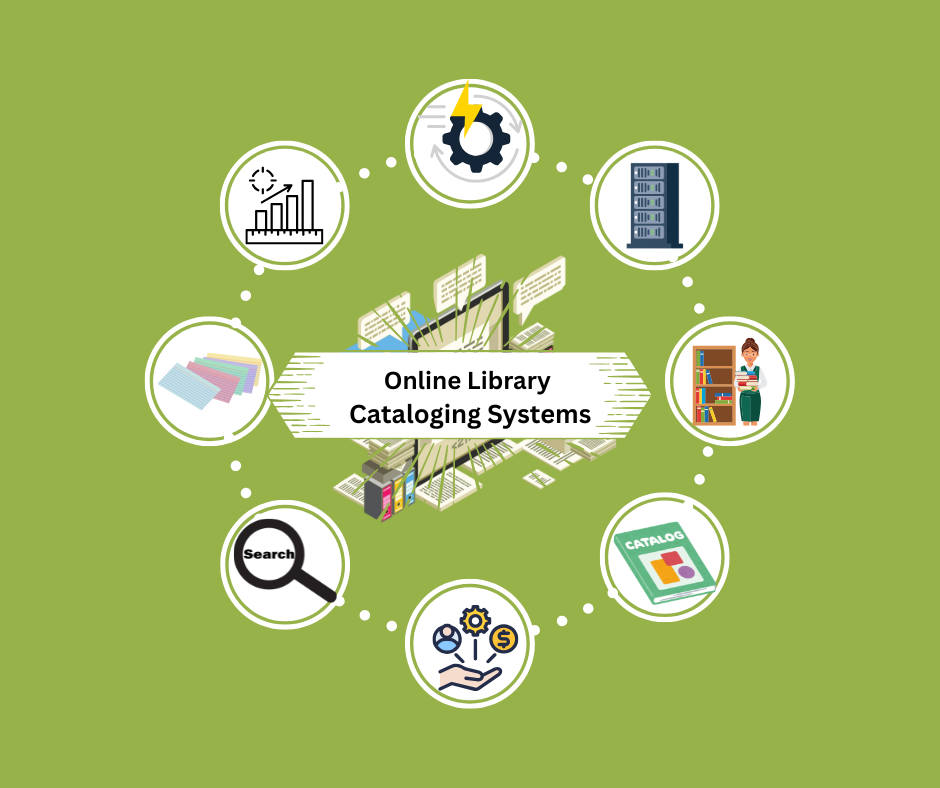
1. Extensive Processing Power: Computers are capable of handling large volumes of materials, information, and data in a way that is beyond human capacity. This allows for efficient analysis and processing of complex datasets.
2. Rapid Service Efficiency: Computers can execute professional or clerical tasks at remarkable speeds. Duties that traditionally required hours of manual effort can now be accomplished within minutes, significantly enhancing productivity.
3. Precision and Effectiveness in Work Management: The use of computers enables accurate cataloging, storage, retrieval, distribution, access, and abstraction of information. This digital approach surpasses manual methods in terms of efficiency and reliability.
4. Sorting: Computers excel at managing and organizing manual records, enabling rapid sorting of various data entries. This capability allows for the quick organization of authors, titles, subjects, keywords, call numbers, accession numbers, ISBN numbers, and other relevant information, a task that is cumbersome and time-consuming when performed manually.
5. Enhanced Search Capabilities: Online systems significantly enhance search efficiency by increasing the speed and breadth of information retrieval. They provide access to modern and comprehensive datasets that are often unavailable in traditional systems like OPAC, Biliofile, FBPI, Plus, and CD-ROMs. This advancement ensures users can quickly find the most relevant and up-to-date information.
6. Enhanced Resource Management: While the initial investment in acquiring and maintaining computer components may seem steep, the long-term benefits are undeniable. Once the system is up and running, it acts as a safeguard against wasted resources—time, labor, and finances. Over time, this not only optimizes operational efficiency but also elevates the overall value of your computer setup, paving the way for future advancements and capabilities.
7. Seamless Integration and Operational Excellence: The automated online system serves as a vital link among various libraries, harmonizing their internal processes across branches and institutional libraries. It expertly facilitates tasks such as ordering, cataloguing, classifying, and distribution, creating a cohesive operational framework. This interconnectedness significantly boosts the efficiency of time management, allowing for smoother transactions and quicker access to resources, ultimately enhancing productivity across the board.
8. Role of the Union Catalog:The Union Catalog plays a crucial role in streamlining library operations by serving as a centralized database that connects the main library’s mainframe or CPU with its various branches, departments, or affiliated libraries. This system enhances efficiency by allowing seamless access to a comprehensive collection of resources, facilitating better resource sharing, and ensuring that libraries can easily track and retrieve materials across their network.
9. Advantages of Online Systems Over Manual Catalogs: Online cataloging systems are designed to be highly current and remarkably efficient in managing library resources. Unlike traditional manual catalogs, which require a labor-intensive process involving multiple separate tasks—such as typing out shelf lists, creating main author entries, adding supplementary entries, and organizing physical files—online systems automate these operations. This not only speeds up the cataloging process significantly but also reduces the chances of errors, making the overall management of library collections more productive and streamlined.
10. Enhanced Quality of Collaboration Facilities: This innovative system incorporates a standardized MARC (Machine-Readable Cataloging) format, a significant advancement not previously achieved. It facilitates timely sharing of cataloging activities, which is crucial for improving the quality of bibliographic records. Furthermore, it promotes robust coordination on both national and international levels through the utilization of email and internet technologies. This connectivity enables libraries to streamline their operations, share vital information swiftly, and collaborate more effectively with peers around the world.
11. Elevation of Librarians’ Image and Status: By embracing cutting-edge technologies, librarians can significantly enhance their professional image and status. The implementation of efficient tools not only boosts library operations but also supports the ongoing development of staff members through continuous educational opportunities for readers. This commitment to professional growth positions librarians as key providers of information and learning, thereby elevating their role within the community and the broader academic landscape.
12. Fostering Creativity and Innovation: The transition from traditional manual indexing methods to a comprehensive online system marks a transformative step forward in library practice. This shift seeks to eliminate the monotony associated with outdated processes, encouraging a dynamic and engaging work environment. By mandating innovative practices in previously underdeveloped border provinces, this initiative serves as a catalyst for fresh ideas and creative solutions in library management. Librarians are thus inspired to break free from conventional constraints, leading to the emergence of new innovations that can better serve the needs of their communities.
Automated cataloging systems greatly enhance library efficiency by ensuring faster processing, accurate organization, and easy access to information. They save time and resources, promote collaboration among libraries, and improve the professional role of librarians. Overall, automated cataloging transforms libraries into modern, user-friendly, and effective information centers.